"Our commitment is simple — every patient, every condition, every time. We bring world-class digestive care to your doorstep."
The Surgical Gastroenterology department provides specialized surgical care for diseases and disorders affecting the gastrointestinal tract and other organs of the digestive system. Our team focuses on accurate diagnosis, appropriate surgical planning, and comprehensive care throughout the patient's treatment journey.
The digestive system includes several important organs such as the esophagus, stomach, small and large intestine, liver, gallbladder, bile ducts, pancreas, and rectum. Conditions affecting these organs may require medication, endoscopic treatment, lifestyle management, or surgical intervention depending on their severity and individual patient needs. Our surgical team works closely with other specialists to determine the most appropriate treatment approach for every patient.
Our department provides evaluation and surgical management for a wide range of gastrointestinal and digestive conditions, including:
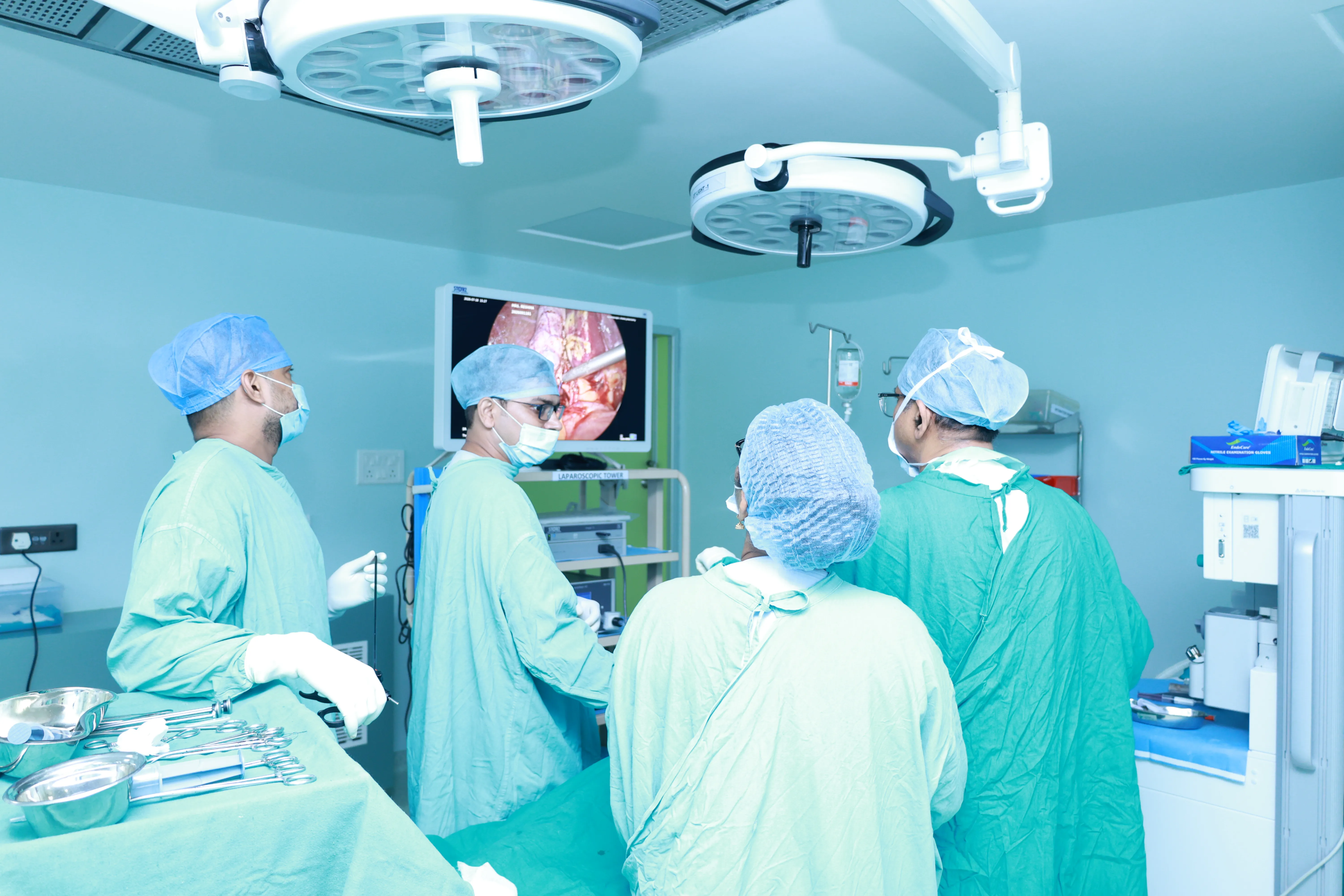
Where clinically appropriate, minimally invasive and laparoscopic surgical techniques may be considered. These approaches generally involve smaller incisions compared with conventional open surgery and may offer benefits such as reduced post-operative discomfort, shorter hospital stays, and a quicker return to normal activities for suitable patients.
The choice of surgical technique depends on the patient's condition, medical history, diagnostic findings, and overall health. Our surgeons carefully evaluate each case before recommending the most suitable procedure.
Accurate diagnosis is an important part of successful gastrointestinal treatment. Patients may undergo appropriate investigations such as blood tests, ultrasound, CT scans, MRI, endoscopy, colonoscopy, or other diagnostic procedures depending on their symptoms and clinical requirements.
After a detailed evaluation, our specialists develop an individualized treatment plan. When surgery is required, patients and their families are guided regarding the procedure, preparation, expected recovery, and follow-up care.
Complex gastrointestinal and abdominal conditions may require expertise from multiple medical disciplines. Our surgical team works in coordination with gastroenterologists, hepatologists, oncologists, radiologists, anesthesiologists, and critical care specialists whenever required.
This collaborative approach helps ensure that important aspects of a patient's condition are considered while planning diagnosis and treatment.
Patient safety remains an important part of surgical care. From pre-operative assessment and surgical planning to post-operative monitoring and follow-up, our team focuses on providing structured and attentive care at every stage.
We understand that undergoing surgery can be stressful for patients and their families. Therefore, our approach emphasizes clear communication, appropriate guidance, and personalized attention throughout the treatment process.
Surgical treatment does not end with the procedure. Appropriate post-operative monitoring, medication, nutrition, wound care, mobility guidance, and follow-up are important parts of recovery.
Our team provides necessary post-operative instructions based on the type of procedure and individual patient requirements. Regular follow-up helps monitor recovery and allows the medical team to address any concerns that may arise.
Our department combines specialist surgical expertise, modern medical facilities, multidisciplinary coordination, and patient-focused care to manage a wide range of gastrointestinal surgical conditions.
Whether a patient requires evaluation for a common surgical condition or treatment for a complex gastrointestinal disorder, our goal is to provide evidence-based care with careful diagnosis, appropriate surgical planning, and continuous support. If you are experiencing persistent abdominal pain, digestive problems, unexplained weight loss, recurrent vomiting, difficulty swallowing, changes in bowel habits, or other concerning gastrointestinal symptoms, a timely consultation with a gastroenterology or surgical gastroenterology specialist can help determine the underlying cause and appropriate treatment.
From routine digestive complaints to rare and complex gastrointestinal disorders — our specialists are equipped to diagnose and treat the full spectrum.
Our endoscopy suite is equipped with state-of-the-art 4K HD endoscopes, EUS, and advanced therapeutic tools for both diagnostic and interventional procedures.
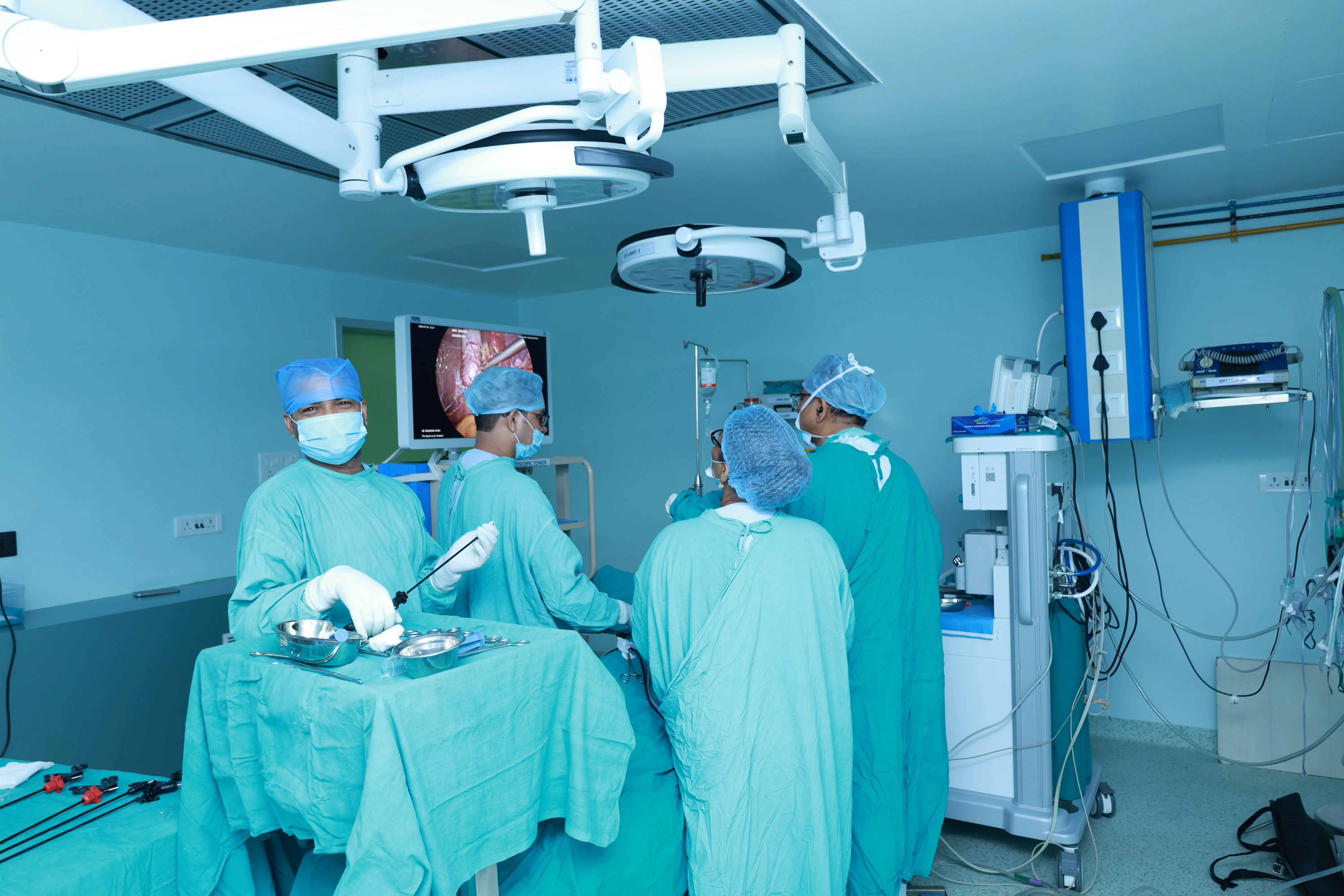
Laparoscopic gallbladder surgery is a minimally invasive procedure commonly used to treat gallstones and certain gallbladder conditions. The procedure is performed through small incisions using specialized surgical instruments and a camera. Compared with traditional open surgery, it may offer smaller incisions, reduced post-operative discomfort, shorter hospital stay, and faster recovery in suitable patients.
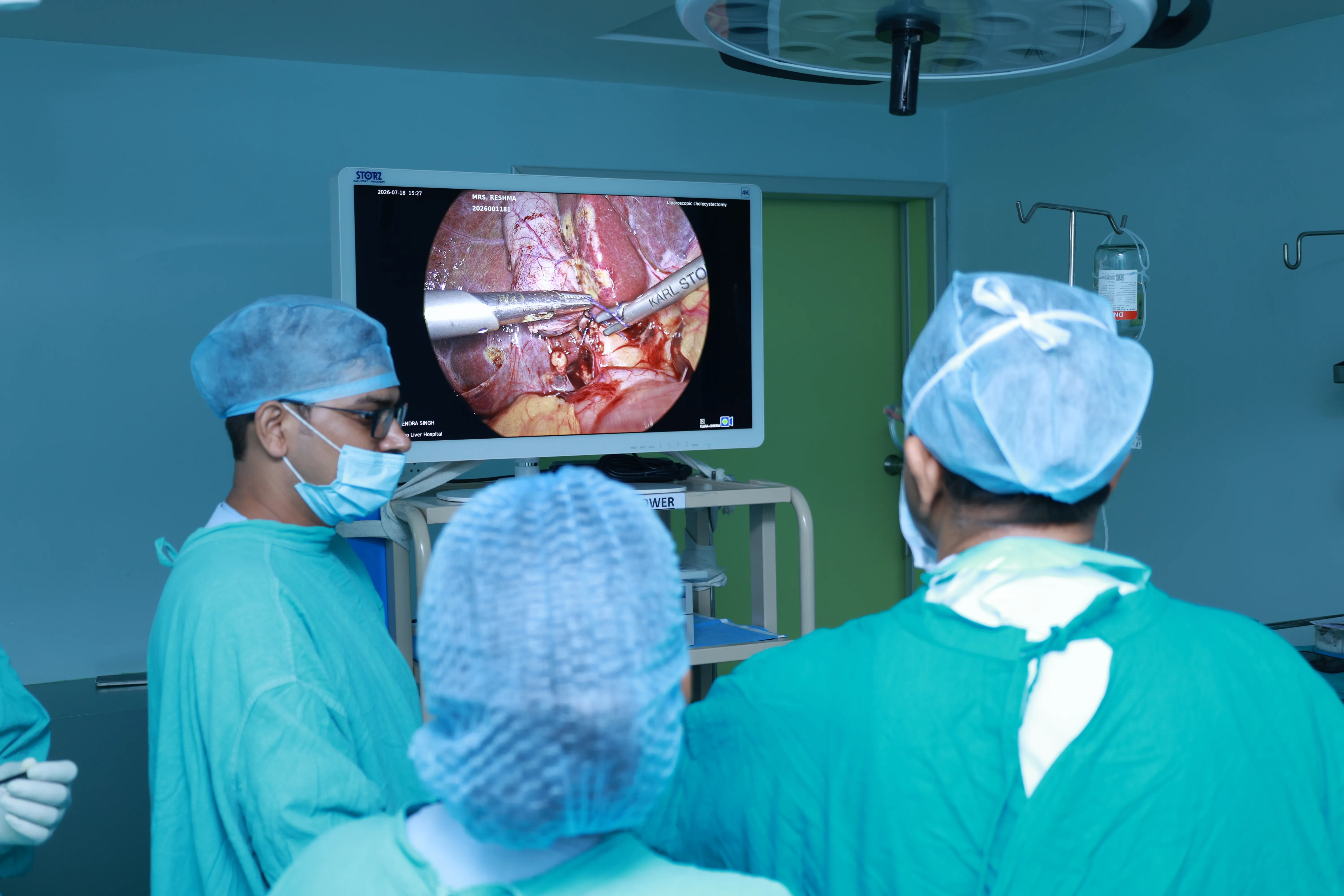
Laparoscopic hernia repair is a minimally invasive surgical procedure used to treat selected types of abdominal and groin hernias. The surgeon uses small incisions and specialized instruments to repair the weakened area and reinforce the abdominal wall. Depending on the patient's condition, this approach may help reduce post-operative discomfort and support an earlier return to routine activities.
Our department combines clinical expertise, advanced technology, and patient-centred care to deliver the highest standards of GI medicine.
Our experienced surgical specialists provide comprehensive care for gastrointestinal and abdominal conditions, with individualized treatment planning based on each patient's clinical needs.
We offer minimally invasive laparoscopic procedures for suitable conditions, focusing on smaller incisions, patient comfort, and efficient recovery.
From diagnosis and surgical planning to post-operative care, our team provides comprehensive management for a wide range of gastrointestinal, liver, biliary, pancreatic, and colorectal conditions.
For complex cases, our surgical team works in coordination with gastroenterologists, hepatologists, oncologists, radiologists, anesthesiologists, and other specialists when required.
From your first consultation to complete recovery, our dedicated care team supports you at every stage of your treatment journey.
Schedule your visit easily via phone call or online booking. Our team ensures a quick and hassle-free appointment process for all patients.
Meet our experienced gastroenterology specialists who evaluate your symptoms and provide a detailed clinical assessment.
Advanced investigations such as endoscopy, blood tests, and imaging are performed to ensure accurate diagnosis.
Personalized treatment plans are provided along with regular follow-ups to ensure complete recovery and long-term health.
Surgical Gastroenterology is a specialized branch of medicine that focuses on the surgical diagnosis and treatment of diseases affecting the digestive system, including the stomach, intestines, liver, gallbladder, bile ducts, pancreas, and colorectal region.
You should consider consulting a Surgical Gastroenterologist when a gastrointestinal condition may require surgical treatment, such as gallstones, hernias, appendicitis, intestinal obstruction, gastrointestinal tumors, certain liver or pancreatic conditions, or complex colorectal disorders.
Surgical Gastroenterology may manage conditions such as gallstones, hernias, appendicitis, intestinal obstruction, gastrointestinal tumors, colorectal conditions, liver and biliary disorders, pancreatic diseases, and other abdominal conditions requiring surgical intervention.
Laparoscopic surgery is a minimally invasive surgical technique performed through small incisions using a specialized camera and surgical instruments. When appropriate for the patient's condition, it may result in smaller incisions, less post-operative discomfort, and a quicker recovery compared with some traditional open procedures.
Not every patient or condition is suitable for laparoscopic surgery. The appropriate surgical approach depends on the diagnosis, severity of the condition, previous surgeries, overall health, and other clinical factors. The surgeon determines the safest and most suitable approach after evaluation.
Fill the form and our team will contact you shortly.