"Our commitment is simple — every patient, every condition, every time. We bring world-class digestive care to your doorstep."
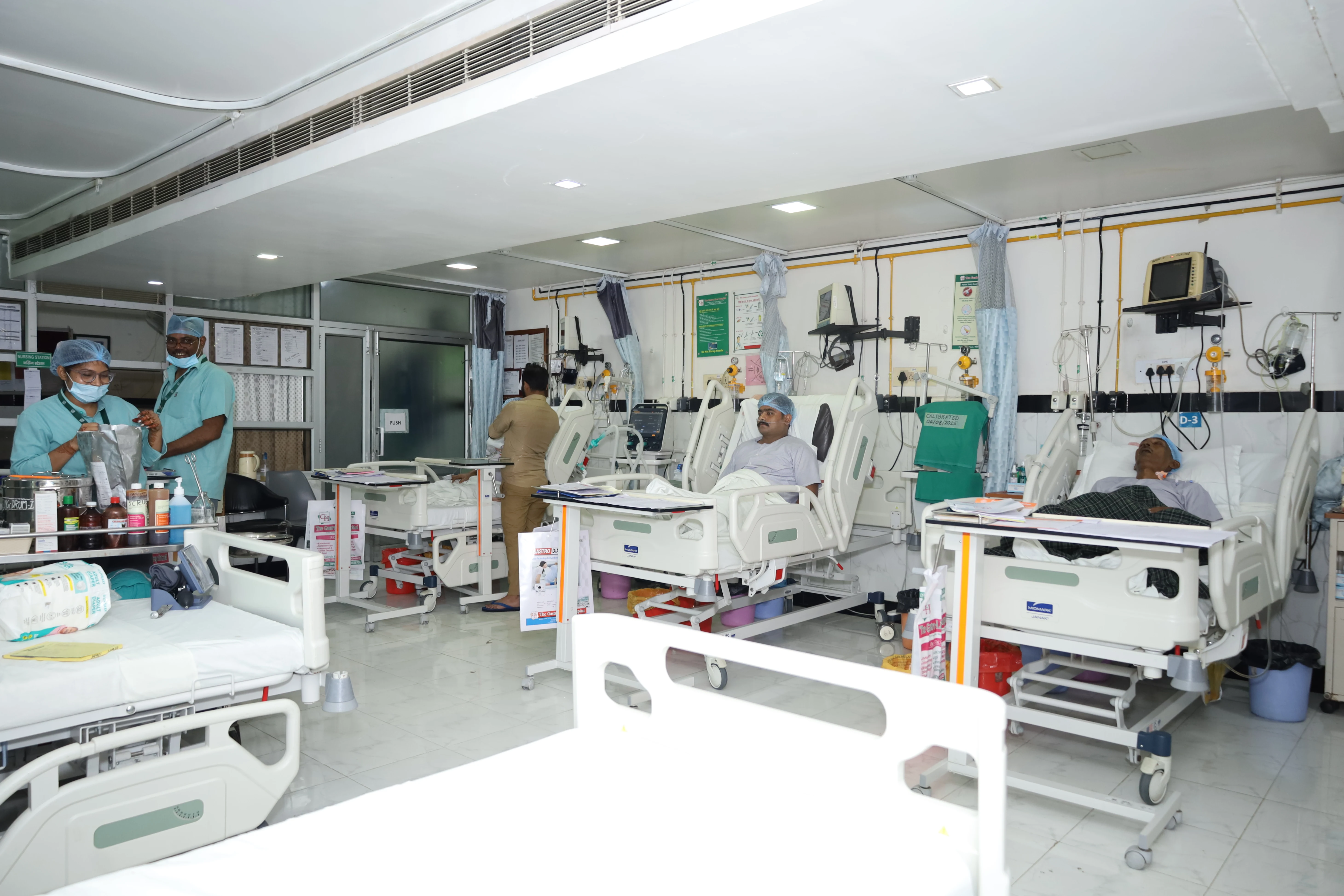
The Intensive Care Unit (ICU) at Gastro Liver Hospital is a tertiary-level critical care facility designed to treat life-threatening conditions with uncompromising precision, rapid intervention, and compassionate medical care. Our unit brings together seasoned intensivists, critical care anesthesiologists, pulmonologists, and skilled critical care nurses working collaboratively 24 hours a day, 365 days a year.
Equipped with advanced invasive hemodynamic monitoring, high-end mechanical ventilators, bedside ultrasound (POCUS), point-of-care blood gas analysis, and round-the-clock dialysis capabilities, our ICU provides immediate life support for patients facing multi-organ dysfunction syndrome (MODS), acute respiratory distress syndrome (ARDS), septic shock, and severe metabolic crises.
Given our hospital’s specialized focus on gastrointestinal and hepatobiliary care, our ICU features specialized protocols for managing acute liver failure, hepatic encephalopathy, acute variceal bleeding, acute necrotizing pancreatitis, and high-risk surgical monitoring following major liver and gastrointestinal resections.
From routine digestive complaints to rare and complex gastrointestinal disorders — our specialists are equipped to diagnose and treat the full spectrum.
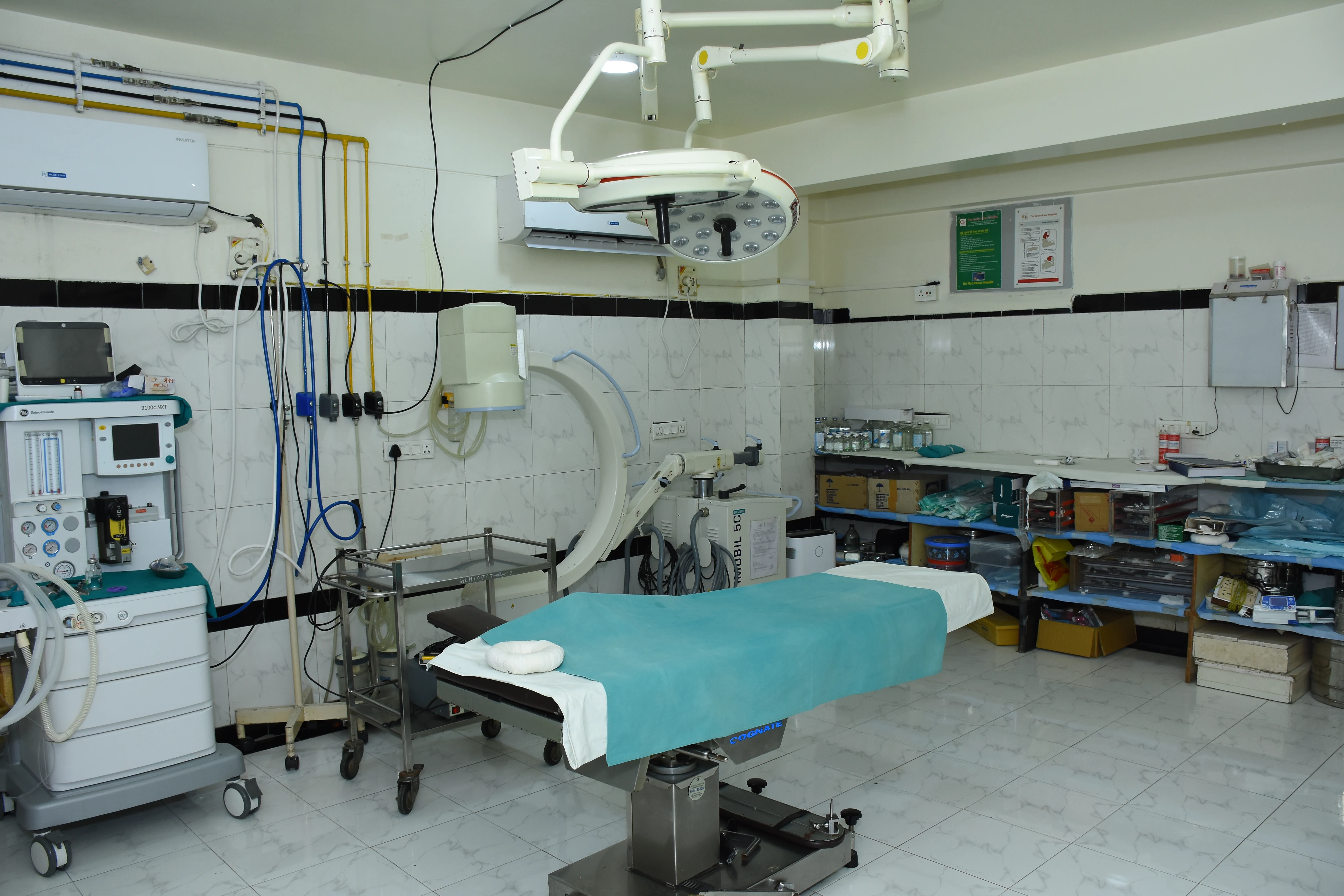
Our endoscopy suite is equipped with state-of-the-art 4K HD endoscopes, EUS, and advanced therapeutic tools for both diagnostic and interventional procedures.
Precision invasive and non-invasive mechanical ventilation (BiPAP/CPAP) tailored to patients with acute respiratory failure, ARDS, and respiratory distress, managed by certified critical care specialists.
Real-time invasive arterial blood pressure monitoring, central venous catheterization, and cardiac output assessment for precise fluid and inotrope titration during septic and hypovolemic shock.
Immediate bedside hemodialysis and slow continuous ultrafiltration for critically ill patients with acute kidney failure, hepatorenal syndrome, and severe fluid overload in hemodynamically unstable conditions.
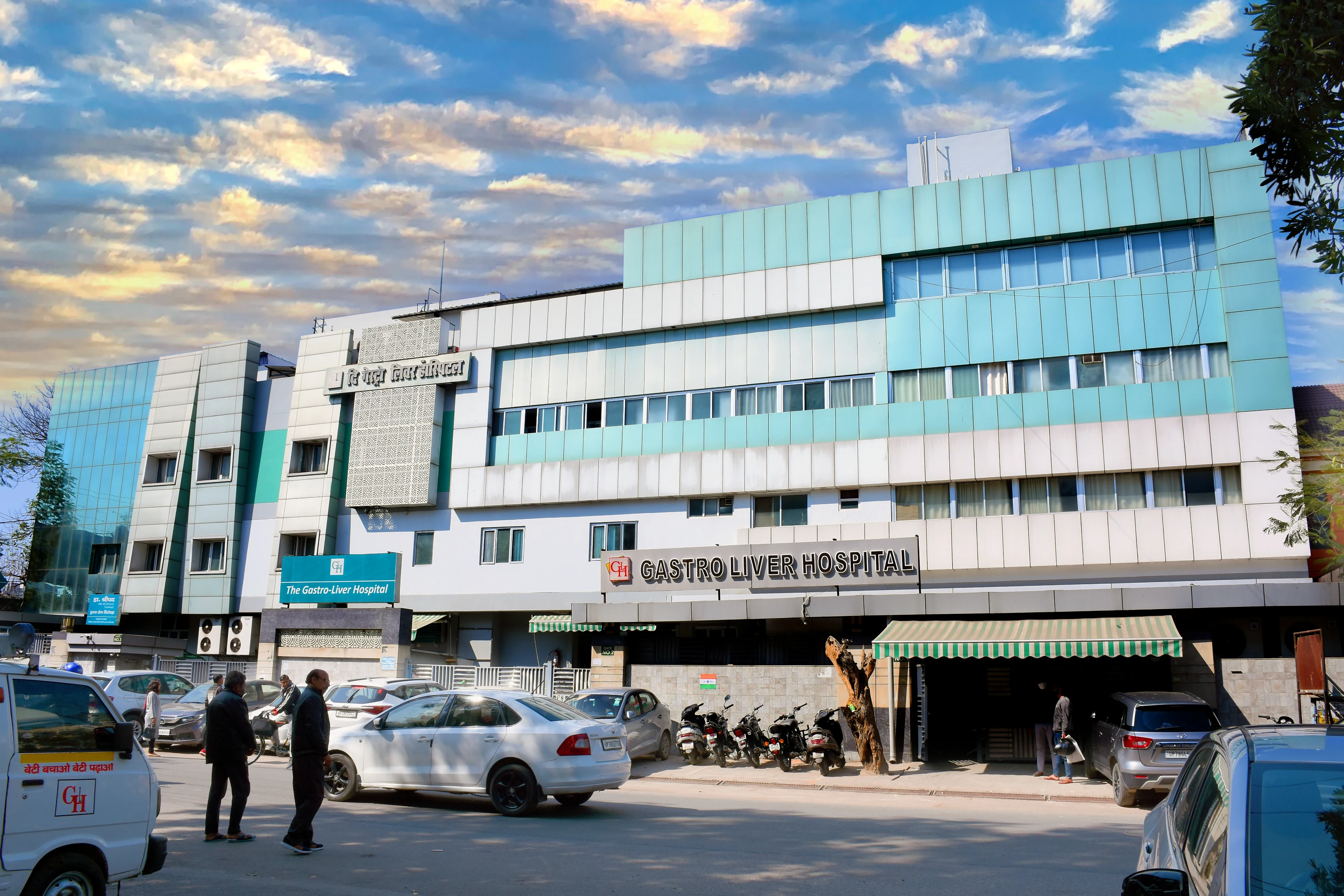
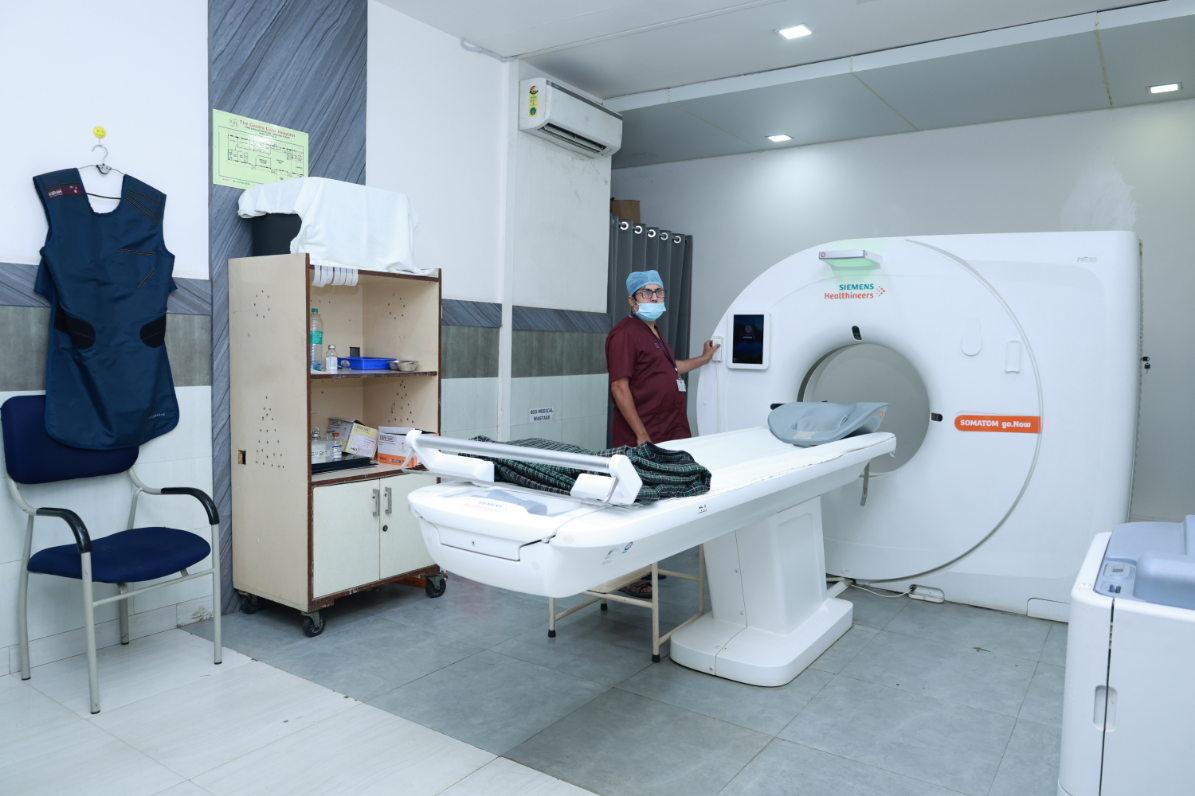
Rapid point-of-care ultrasound for immediate cardiac, lung, and abdominal assessment, alongside bedside emergency endoscopy for life-threatening gastrointestinal hemorrhage control.
Our department combines clinical expertise, advanced technology, and patient-centred care to deliver the highest standards of GI medicine.
Round-the-clock bedside presence of qualified critical care intensivists, anesthesiologists, and highly trained ICU nurses ensuring instantaneous intervention for any physiological deterioration.
Equipped with state-of-the-art multiparameter monitors, high-end ventilators, defibrillators, blood gas analyzers, and automated infusion pumps for micro-dose medication delivery.
Stringent protocol-driven isolation bays, positive and negative pressure zones, and laminar airflow with HEPA filters to minimize hospital-acquired infections (HAIs).
Dedicated 1:1 or 1:2 nurse-to-patient ratio ensuring continuous vigilance, strict vitals charting, medication adherence, and compassionate care for critically ill patients.
From your first consultation to complete recovery, our dedicated care team supports you at every stage of your treatment journey.
Schedule your visit easily via phone call or online booking. Our team ensures a quick and hassle-free appointment process for all patients.
Meet our experienced gastroenterology specialists who evaluate your symptoms and provide a detailed clinical assessment.
Advanced investigations such as endoscopy, blood tests, and imaging are performed to ensure accurate diagnosis.
Personalized treatment plans are provided along with regular follow-ups to ensure complete recovery and long-term health.
To maintain strict sterility, reduce infection risks, and allow patients adequate rest, visiting hours are restricted to scheduled time windows. Only one or two immediate family members are permitted after donning proper protective gear (shoe covers, gown, and mask).
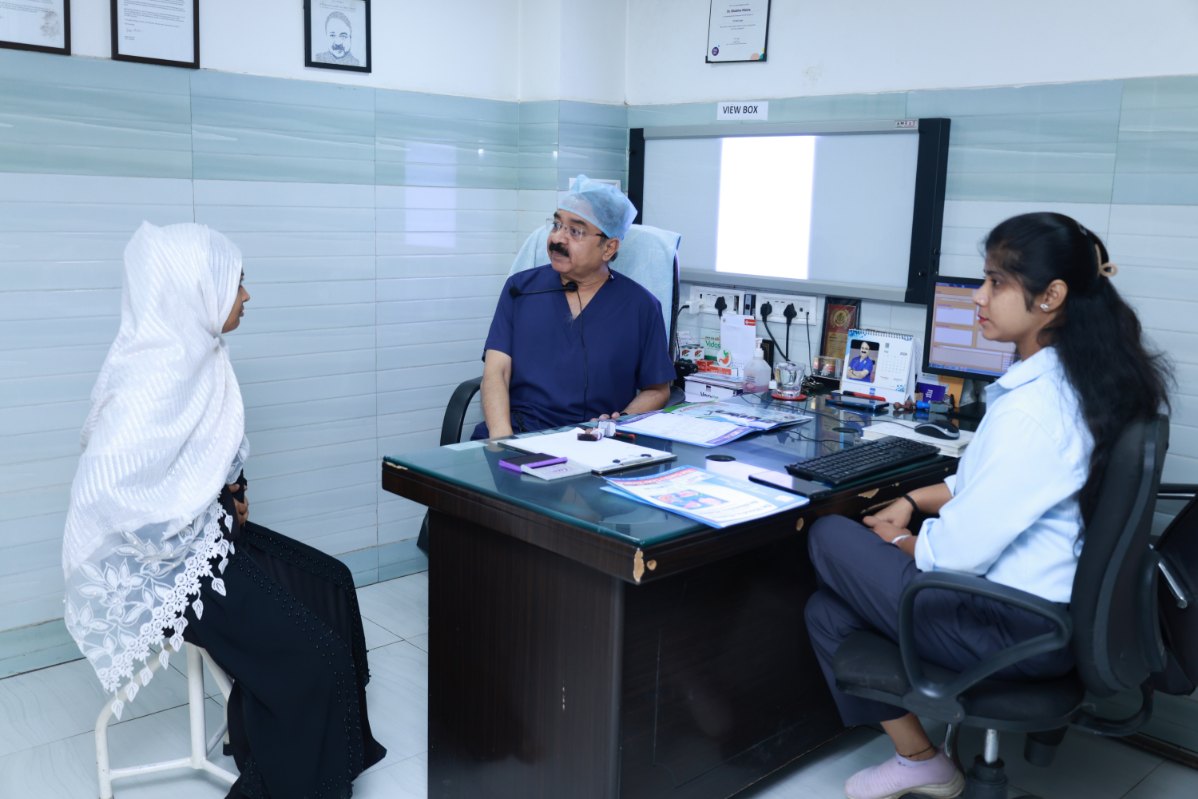
Patients with acute respiratory failure, septic shock, severe gastrointestinal bleeding, acute liver failure, post-major surgical complications, multi-organ failure, or those needing continuous mechanical ventilation and hemodynamic support require ICU admission.
We adhere to international infection control guidelines, including HEPA-filtered clean air circulation, daily disinfection protocols, disposable single-use consumables, barrier nursing techniques, and antibiotic stewardship programs.
Yes, our ICU is fully equipped to perform emergency life-saving procedures directly at the bedside, including emergency intubation, central venous access, chest tube placement, bedside dialysis, point-of-care ultrasound, and emergency endoscopy.
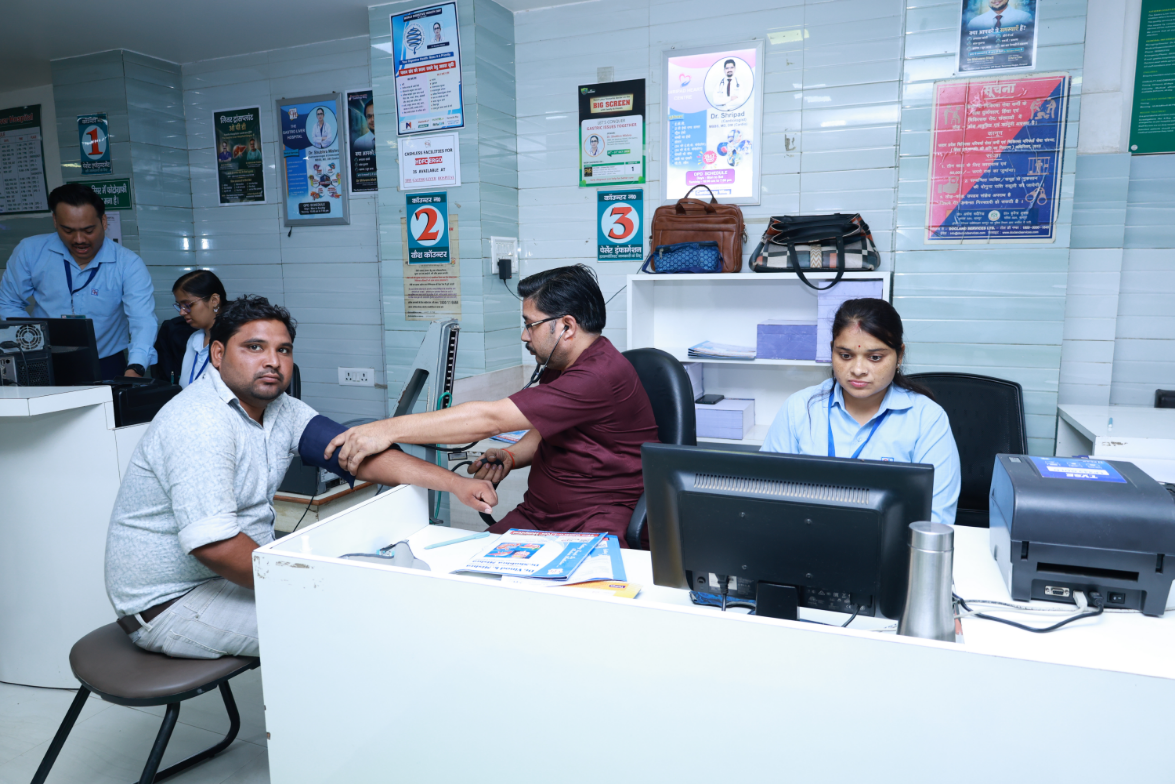
Our senior intensivists and treating consultants conduct daily structured counseling sessions with family members to explain clinical progress, lab investigations, prognosis, and the treatment roadmap.
Fill the form and our team will contact you shortly.