"Our commitment is simple — every patient, every condition, every time. We bring world-class digestive care to your doorstep."
The Department of Nephrology at Gastro Liver Hospital offers comprehensive, patient-centered diagnosis and treatment for the entire spectrum of kidney diseases. Our specialized nephrology team is committed to the prevention, early detection, and advanced medical management of acute and chronic renal disorders, ensuring enhanced quality of life and long-term renal health.
We provide comprehensive management for conditions such as chronic kidney disease (CKD), acute kidney injury (AKI), diabetic nephropathy, hypertensive kidney damage, glomerulonephritis, nephrotic syndrome, recurrent urinary tract infections, and complex electrolyte imbalances. In our tertiary care setup, we specialize in managing Hepatorenal Syndrome (HRS)—a critical renal complication seen in advanced liver disease—through close coordination between our nephrologists and hepatologists.
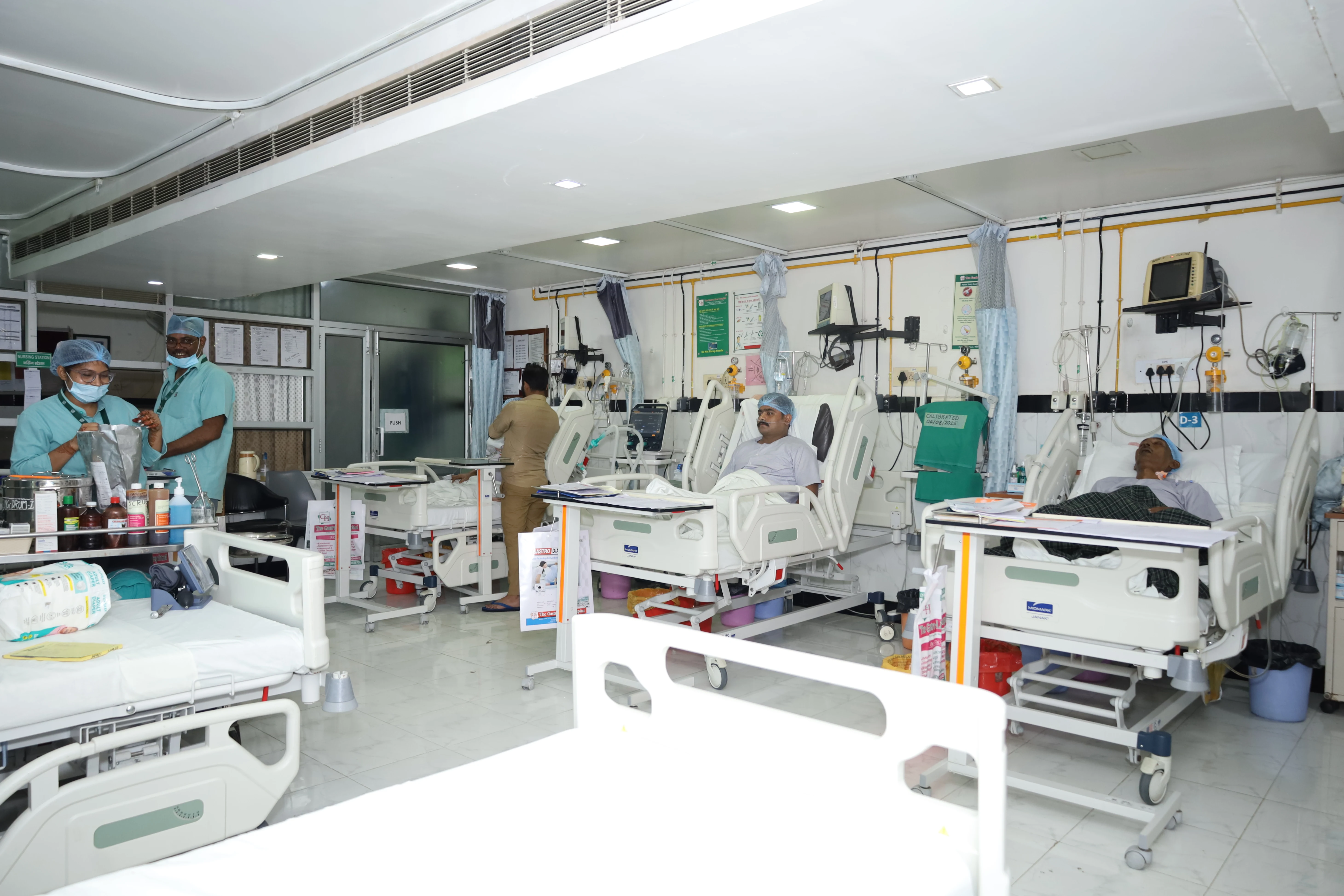
Our state-of-the-art dialysis facility features high-efficiency hemodialysis machines powered by an ultra-pure multi-stage reverse osmosis (RO) water purification plant. We provide round-the-clock maintenance hemodialysis, emergency bedside dialysis (SLED) for critically ill patients in the ICU, central venous catheterizations, and long-term vascular access care.
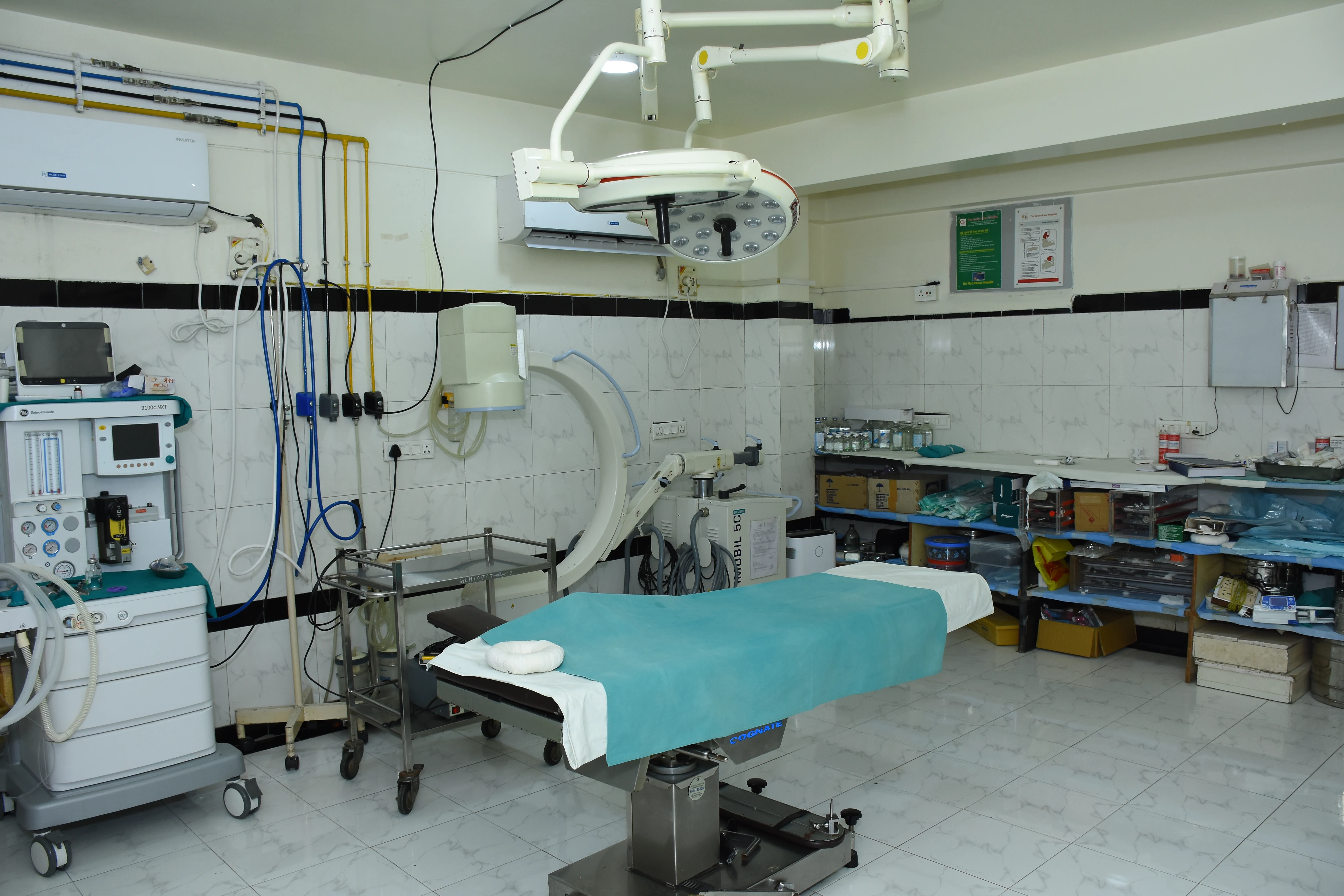
From routine digestive complaints to rare and complex gastrointestinal disorders — our specialists are equipped to diagnose and treat the full spectrum.
Our endoscopy suite is equipped with state-of-the-art 4K HD endoscopes, EUS, and advanced therapeutic tools for both diagnostic and interventional procedures.
State-of-the-art dialysis machines equipped with high-flux biocompatible dialyzers and advanced reverse osmosis (RO) water purification ensuring toxin-free, safe dialysis sessions for CKD and ESRD patients.
Specialized gentle dialysis therapy designed specifically for critically ill, hemodynamically unstable patients in the ICU suffering from acute kidney injury, severe fluid overload, or multi-organ failure.
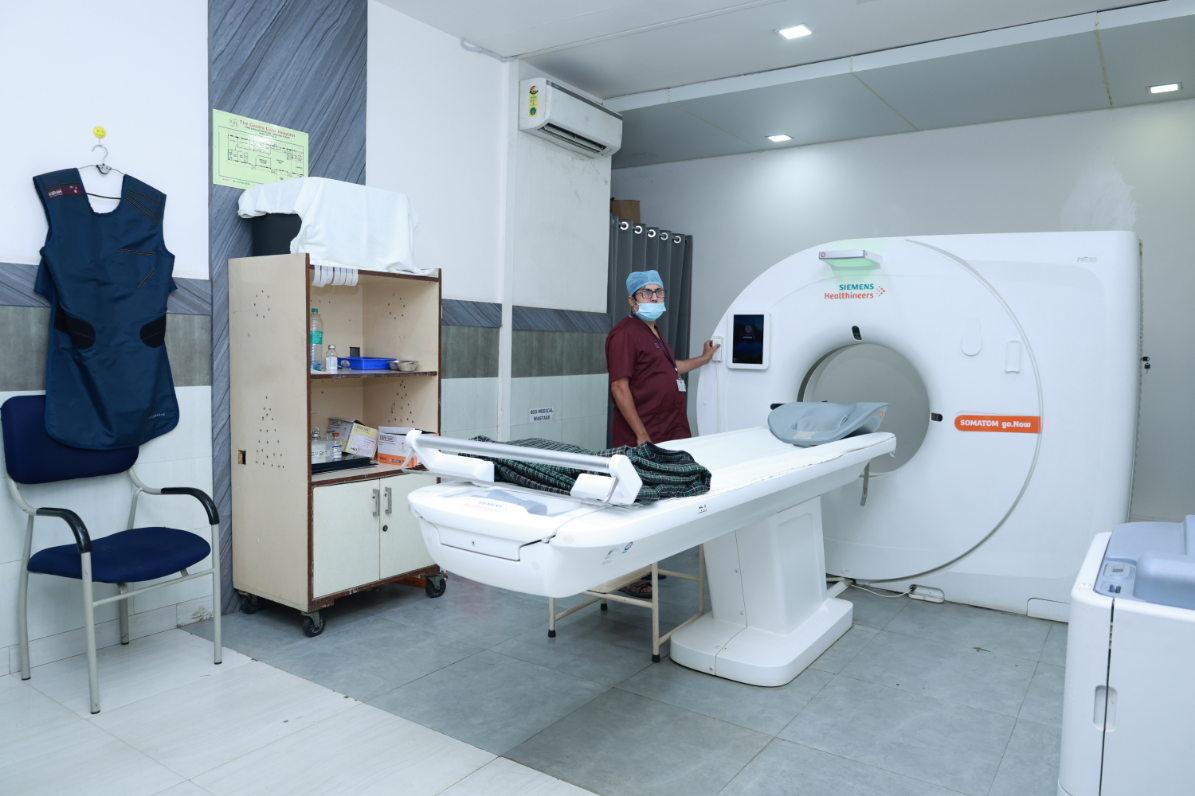
Precision real-time ultrasound-guided renal biopsy performed by experienced nephrologists to establish definitive histological diagnosis in unexplained proteinuria, nephrotic syndrome, and rapidly progressive renal failure.
Immediate bedside placement of double-lumen central venous hemodialysis catheters (internal jugular / femoral) and long-term tunneled permacaths, along with comprehensive monitoring of AV fistulas.
Our department combines clinical expertise, advanced technology, and patient-centred care to deliver the highest standards of GI medicine.
Senior nephrologists with vast clinical experience in treating complex kidney conditions, especially liver-kidney cross-disorders like Hepatorenal Syndrome.
Equipped with multi-stage computerized water treatment plants and strict microbiological testing, ensuring endotoxin-free dialysis water for maximum patient safety.
Round-the-clock emergency dialysis services capable of delivering immediate dialysis support right at the patient's bedside in our Intensive Care Unit.
Evidence-based medical management focusing on strict blood pressure control, targeted dietary guidance, and early intervention to delay or prevent dialysis.
From your first consultation to complete recovery, our dedicated care team supports you at every stage of your treatment journey.
Schedule your visit easily via phone call or online booking. Our team ensures a quick and hassle-free appointment process for all patients.
Meet our experienced gastroenterology specialists who evaluate your symptoms and provide a detailed clinical assessment.
Advanced investigations such as endoscopy, blood tests, and imaging are performed to ensure accurate diagnosis.
Personalized treatment plans are provided along with regular follow-ups to ensure complete recovery and long-term health.
Early kidney disease often causes subtle symptoms, including swelling in feet and ankles (edema), puffiness around the eyes, persistent fatigue, foamy or frothy urine, blood in urine, increased urination at night, and poorly controlled high blood pressure.
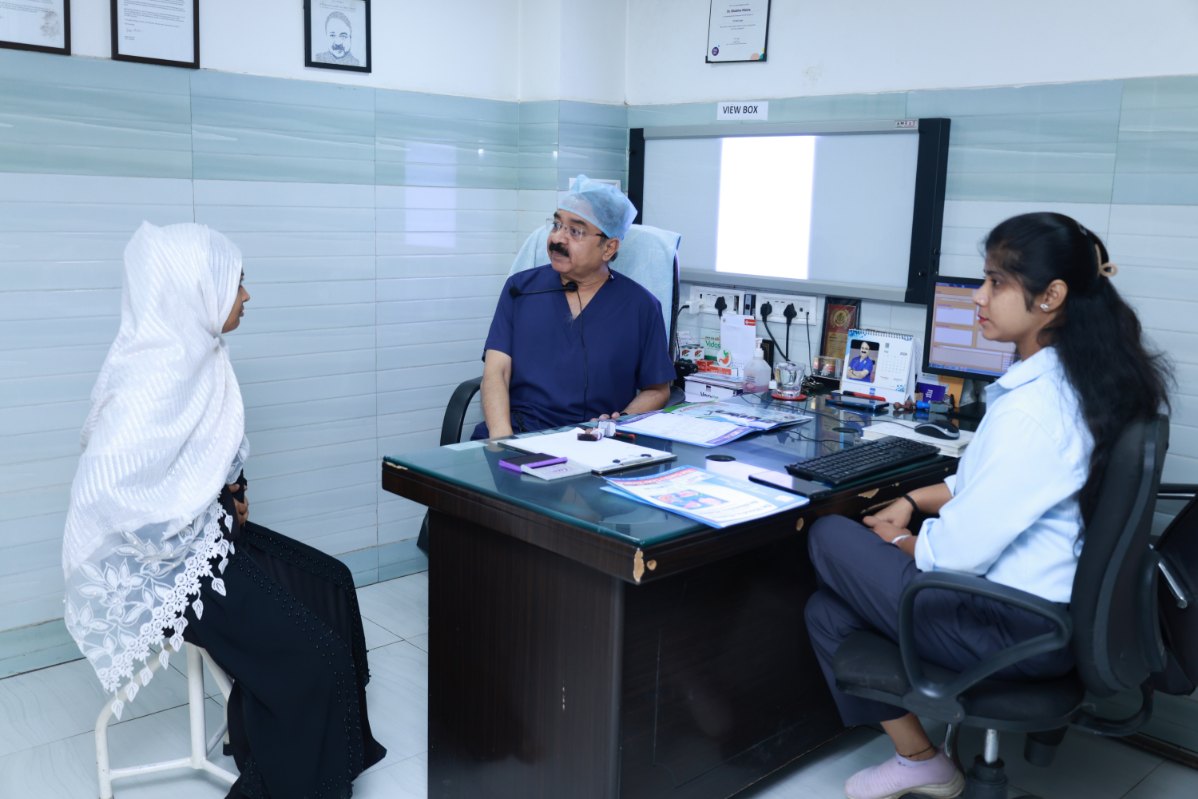
While established chronic kidney disease typically cannot be fully reversed, early diagnosis and aggressive medical treatment (such as strict blood pressure control, blood sugar optimization, and specialized nephroprotective medications) can significantly slow disease progression and delay the need for dialysis by years.
In patients with advanced chronic liver disease or cirrhosis, severe hemodynamic changes can reduce blood supply to the kidneys, leading to Hepatorenal Syndrome (HRS) or acute kidney injury. At our specialized gastro-liver hospital, our nephrology team works closely with hepatologists for combined care.

Most end-stage renal disease (ESRD) patients typically require hemodialysis two to three times per week, with each session lasting approximately 3.5 to 4 hours, depending on individual residual kidney function, fluid gain, and lab clearance parameters.
Kidney disease patients generally need tailored restrictions on dietary sodium (salt), potassium (bananas, citrus fruits, raw vegetables), phosphorus (dairy, processed foods), and fluids, along with protein intake calibrated to their specific CKD stage by our clinical dieticians.
Fill the form and our team will contact you shortly.