"Our commitment is simple — every patient, every condition, every time. We bring world-class digestive care to your doorstep."
The Department of Pathology & Clinical Biochemistry at Gastro Liver Hospital is a state-of-the-art diagnostic laboratory dedicated to delivering accurate, rapid, and clinically validated test results. Functioning as the diagnostic backbone of our tertiary care center, our laboratory operates 24 hours a day, 365 days a year to support emergency critical care, outpatient assessments, and inpatient clinical monitoring.
Our laboratory is outfitted with cutting-edge automated chemistry analyzers, 5-part differential hematology platforms, fully automated coagulometers, and chemiluminescence immunoassay (CLIA) systems. We specialize in advanced hepatobiliary investigations—such as comprehensive Liver Function Tests (LFT), viral hepatitis serologies (HBV/HCV), ammonia estimation, coagulation profiling (PT/INR), and specific biomarkers for liver fibrosis staging.
In our Histopathology and Cytopathology division, senior specialist pathologists examine endoscopic biopsies, core needle liver biopsies, and surgical specimens using advanced microtomy, special histochemical stains, and immunohistochemistry (IHC) to establish definitive microscopic diagnoses for digestive diseases, inflammatory conditions, and gastrointestinal cancers.
From routine digestive complaints to rare and complex gastrointestinal disorders — our specialists are equipped to diagnose and treat the full spectrum.
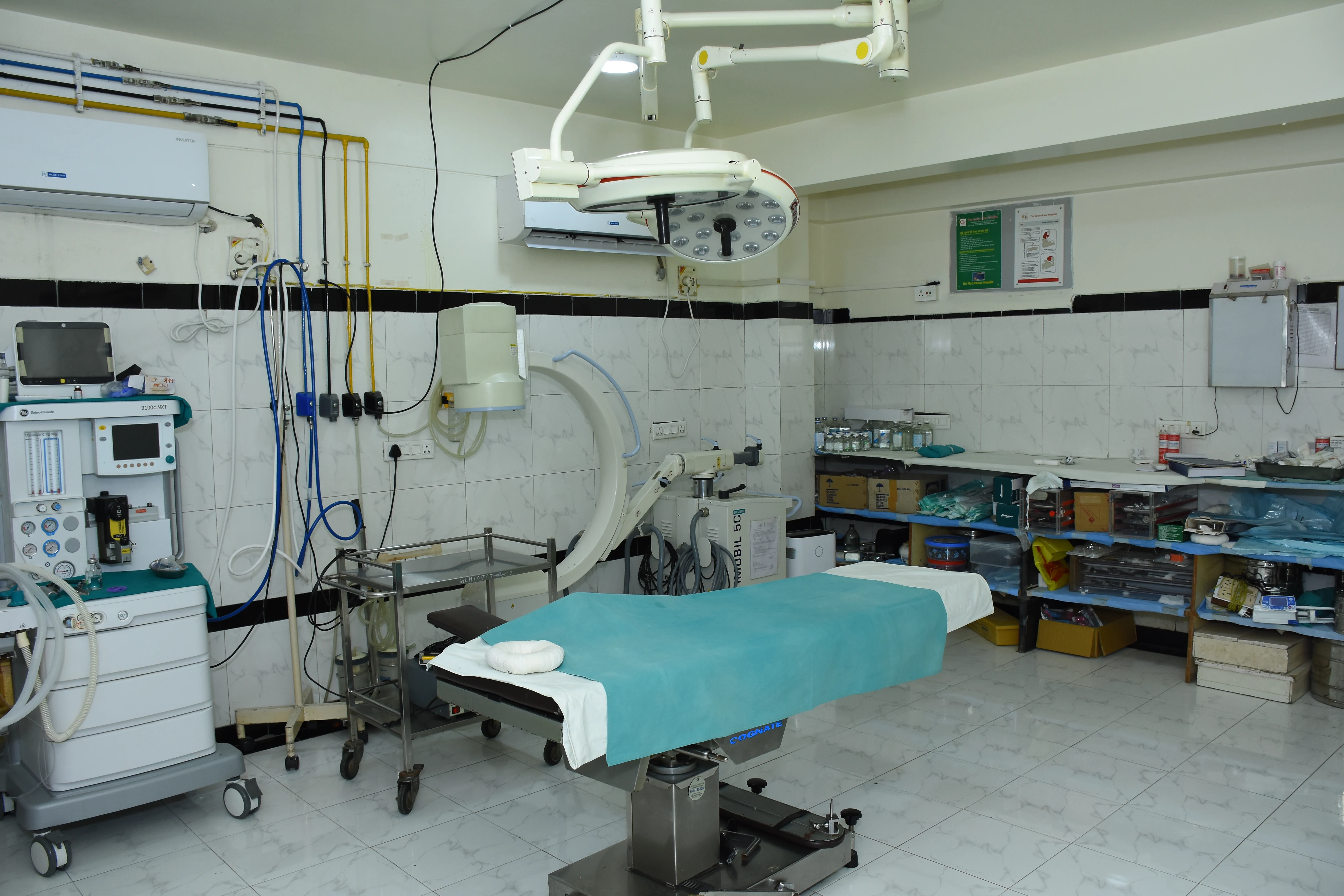
Our endoscopy suite is equipped with state-of-the-art 4K HD endoscopes, EUS, and advanced therapeutic tools for both diagnostic and interventional procedures.
Equipped with state-of-the-art automated biochemistry analyzers utilizing spectrophotometry and ion-selective electrodes for error-free liver, renal, and metabolic profiles.
Expert grossing, automated tissue processing, microtomy, and specialized differential staining for liver, endoscopic, and surgical resection specimens evaluated by senior histopathologists.
Modern 5-part differential hematology analyzers and automated coagulometers ensuring rapid diagnosis of anemia, thrombocytopenia, coagulopathies, and septic cellular responses.
Chemiluminescence Immunoassays (CLIA) for high-sensitivity detection of tumor markers, hepatitis viral serologies, thyroid profiles, vitamins, and critical cardiac enzymes.
Our department combines clinical expertise, advanced technology, and patient-centred care to deliver the highest standards of GI medicine.
Adherence to stringent international lab quality guidelines with daily two-level internal quality control and participation in prestigious External Quality Assurance Schemes (EQAS).
End-to-end vacuum vacutainer blood collection with unique two-dimensional barcode tracking and direct bidirectional LIS (Laboratory Information System) machine interfacing.
Round-the-clock operational laboratory providing emergency critical care panels (ABG, Troponin, PT/INR, Electrolytes, Sepsis markers) within 30 to 45 minutes.
All abnormal, critical, and histological reports are thoroughly vetted, correlated clinically, and verified by postgraduate pathologists and biochemists.
From your first consultation to complete recovery, our dedicated care team supports you at every stage of your treatment journey.
Schedule your visit easily via phone call or online booking. Our team ensures a quick and hassle-free appointment process for all patients.
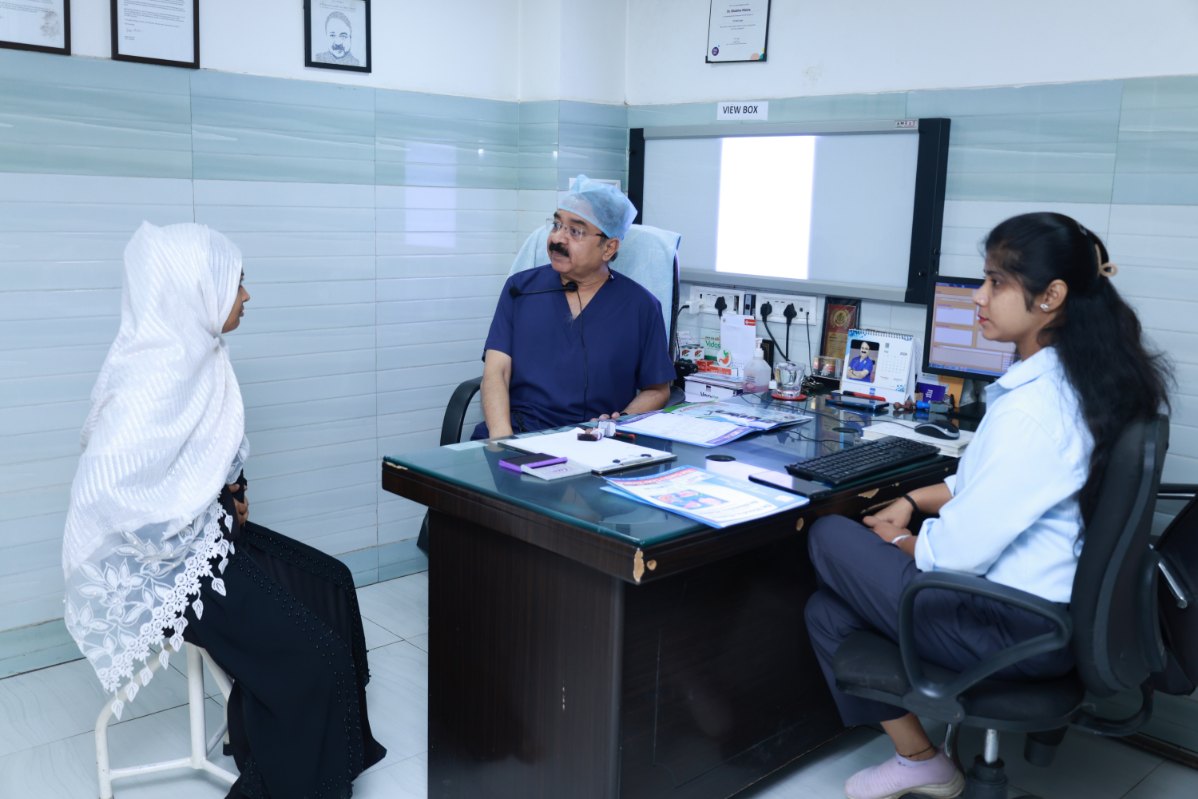
Meet our experienced gastroenterology specialists who evaluate your symptoms and provide a detailed clinical assessment.
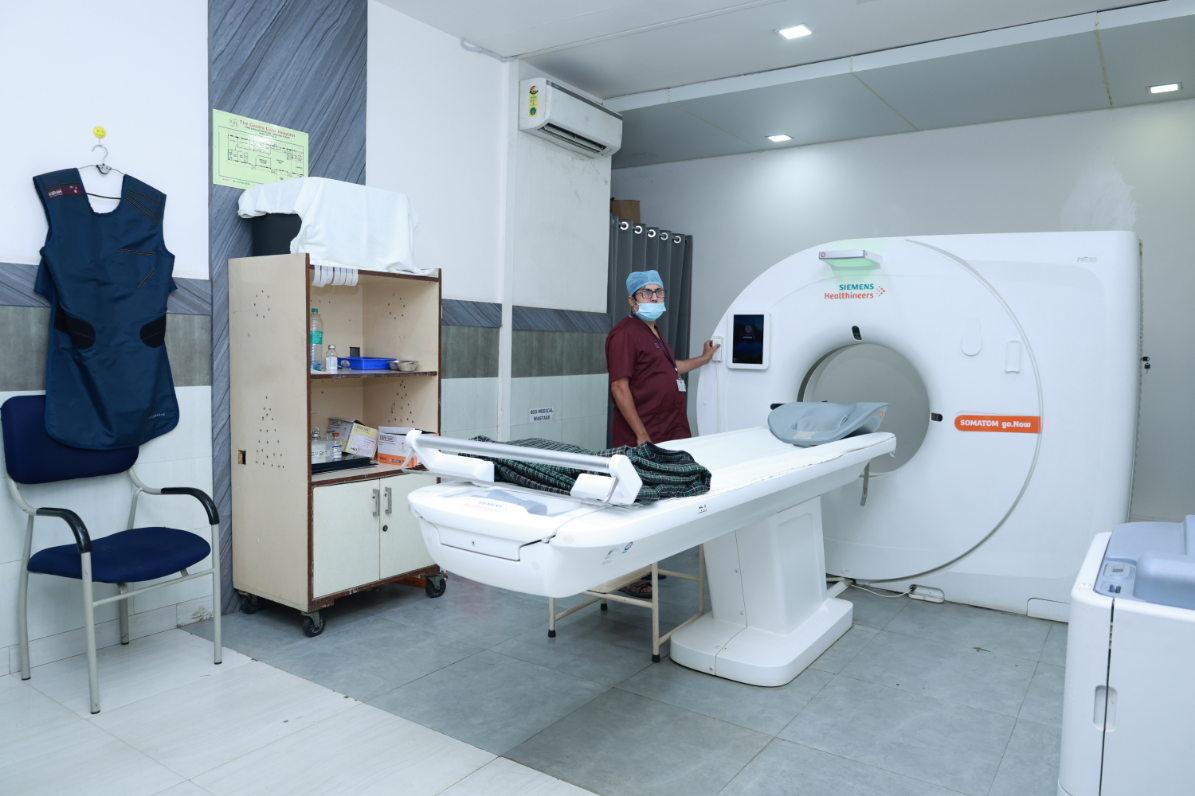
Advanced investigations such as endoscopy, blood tests, and imaging are performed to ensure accurate diagnosis.
Personalized treatment plans are provided along with regular follow-ups to ensure complete recovery and long-term health.
Tests such as Fasting Blood Sugar, Lipid Profile, and certain specialized metabolic panels require 8 to 12 hours of overnight fasting (drinking plain water is allowed). Routine tests like Liver Function Tests (LFT), Kidney Function Tests (KFT), Complete Blood Count (CBC), and viral markers generally do not require strict fasting unless instructed by your doctor.
Most routine biochemistry, hematology, and serology reports are available within 2 to 4 hours of sample collection. Critical emergency (STAT) tests are delivered within 30 to 45 minutes. Specialized histopathology (tissue biopsy) examinations typically require 3 to 5 business days for precision processing, special staining, and microscopic review.
The liver is the primary factory that synthesizes blood-clotting proteins. In chronic liver disease or cirrhosis, prothrombin time (PT) and INR (International Normalized Ratio) provide a sensitive, real-time reflection of the liver's synthetic capability and help assess bleeding risk and disease severity.

Yes. Once authenticated and signed off by our consultant pathologists, your reports are immediately updated on our hospital digital portal and can be accessed online or collected directly from our central diagnostic counter.
We employ a rigorous primary-tube barcoding protocol right at the phlebotomy chair. The automated analyzers read the barcode directly and transmit results automatically to the Laboratory Information System (LIS) without manual data entry, eliminating human typographical error.
Fill the form and our team will contact you shortly.