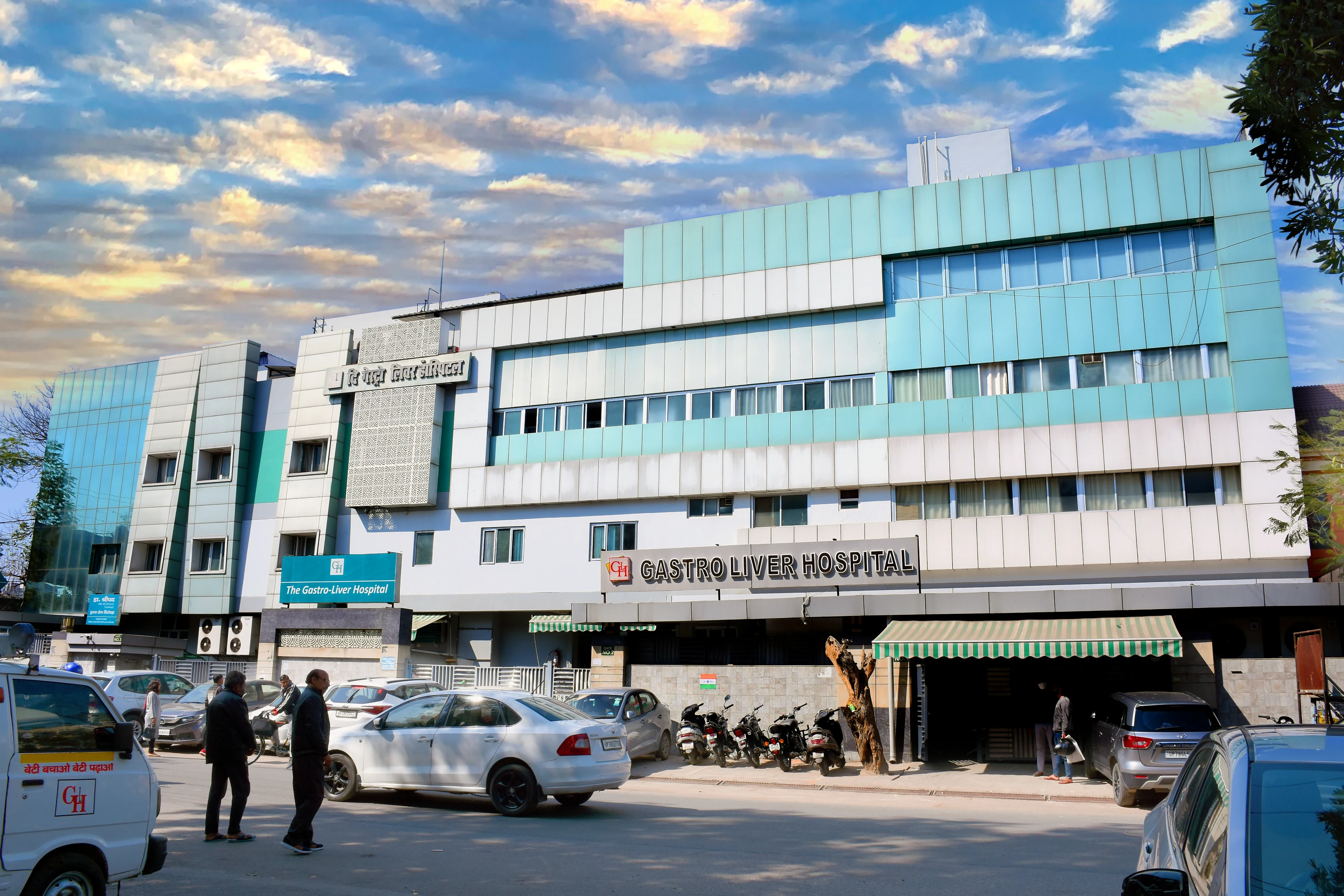
"Our commitment is simple — every patient, every condition, every time. We bring world-class digestive care to your doorstep."
The Department of Minimally Invasive Surgery at Gastro Liver Hospital represents the pinnacle of modern surgical excellence. Utilizing ultra-high-definition 4K optical systems and precision micro-instruments, our surgical team performs complex abdominal and gastrointestinal procedures through tiny incisions of just 5 to 10 millimeters, eliminating the need for large, painful open incisions.
Minimally invasive laparoscopic surgery offers remarkable benefits to patients, including drastically reduced surgical trauma, negligible blood loss, minimal post-operative pain, near-zero wound infections, and virtually imperceptible scars. Most patients are mobilized within hours of surgery and can comfortably return to their normal daily routines and professional lives within days rather than weeks.
Our surgeons possess specialized training in advanced laparoscopic techniques for routine as well as high-complexity procedures. We regularly perform laparoscopic cholecystectomy for gallstones, advanced hernia repairs (TEP and TAPP), emergency appendectomies, anti-reflux fundoplication for GERD, laparoscopic splenectomy, and minimally invasive resections for benign and malignant gastrointestinal conditions.
From routine digestive complaints to rare and complex gastrointestinal disorders — our specialists are equipped to diagnose and treat the full spectrum.
Our endoscopy suite is equipped with state-of-the-art 4K HD endoscopes, EUS, and advanced therapeutic tools for both diagnostic and interventional procedures.
Gold-standard keyhole surgery to remove the diseased gallbladder through tiny 5-10 mm incisions using 4K high-definition optics, enabling discharge within 24 hours and near-zero scarring.
State-of-the-art totally extraperitoneal (TEP) and transabdominal preperitoneal (TAPP) mesh repair for inguinal, umbilical, and incisional hernias with rapid return to active physical life.
Immediate minimally invasive removal of an inflamed or ruptured appendix and release of intestinal adhesions, preventing extensive abdominal wound complications and surgical site infections.
Precision laparoscopic anti-reflux surgery (Nissen/Toupet Fundoplication) for severe GERD/hiatal hernia and laparoscopic cardiomyotomy for achalasia cardia with dramatic symptom relief.
Our department combines clinical expertise, advanced technology, and patient-centred care to deliver the highest standards of GI medicine.
Accomplished GI surgeons with extensive fellowship training and proven expertise in performing advanced complex laparoscopic and emergency abdominal operations.
Equipped with Karl Storz / Stryker 4K Ultra-HD camera systems, harmonic scalpels, and advanced bipolar energy devices for bloodless, millimeter-precise dissection.
Small keyhole incisions result in drastically reduced post-operative pain, minimal need for painkillers, negligible scarring, and speedy resumption of normal routines.
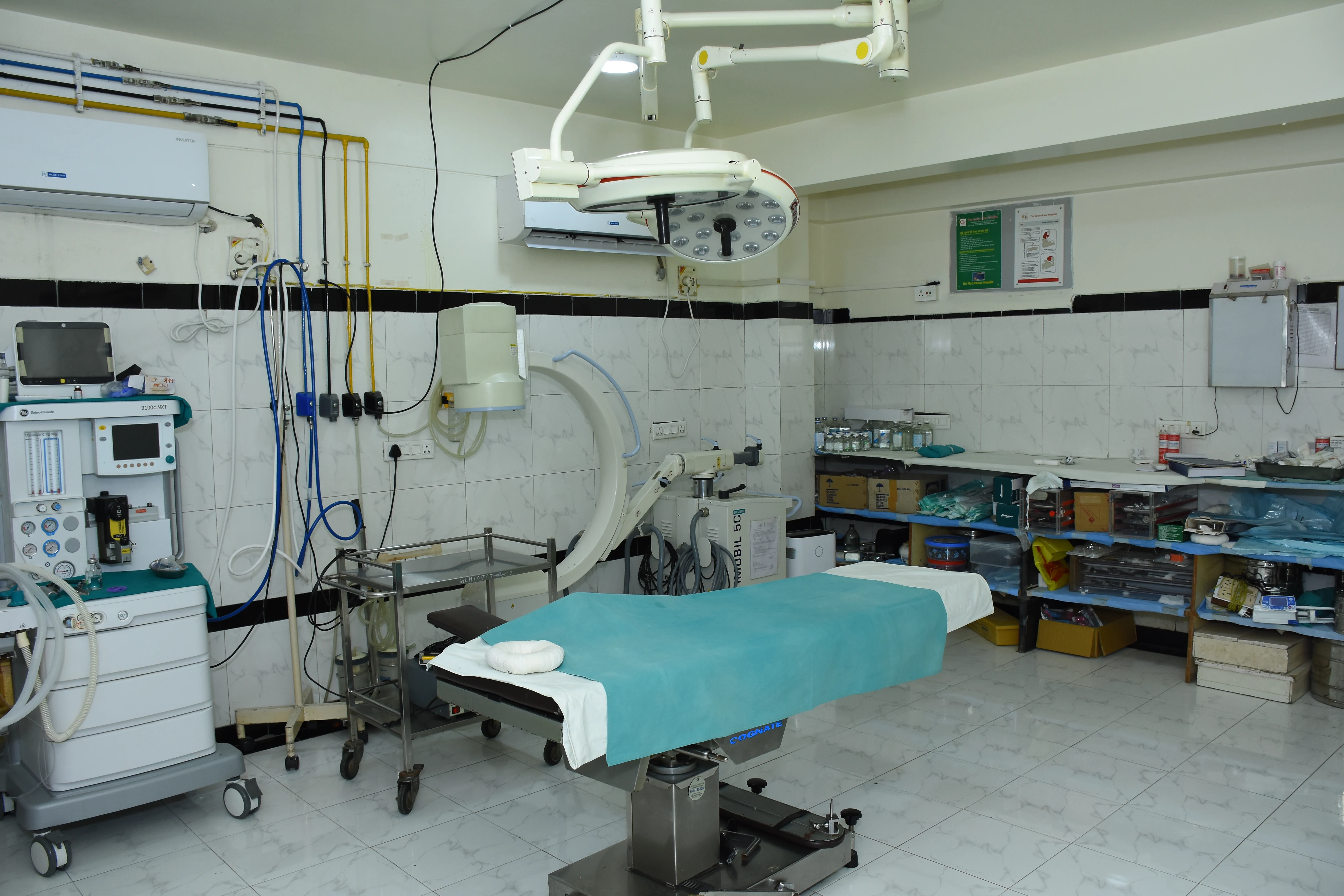
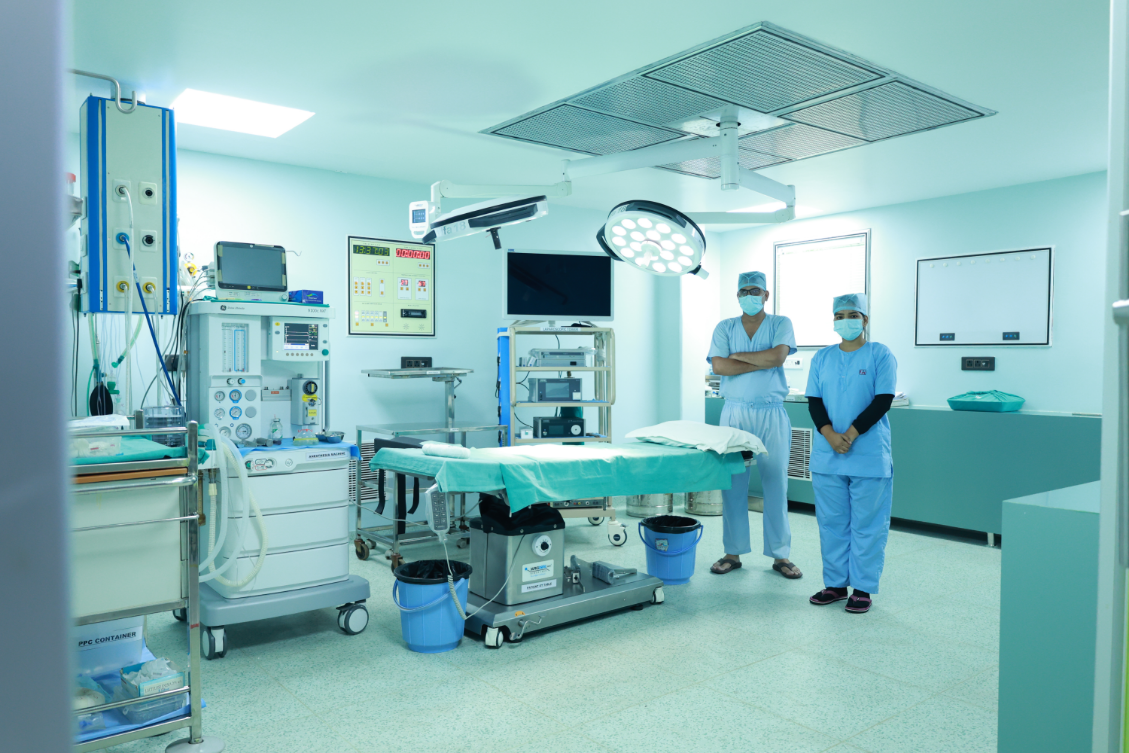
Operating suites featuring positive pressure air handling, HEPA filtration, and strict sterile protocols ensuring internationally benchmarked low surgical site infection rates.
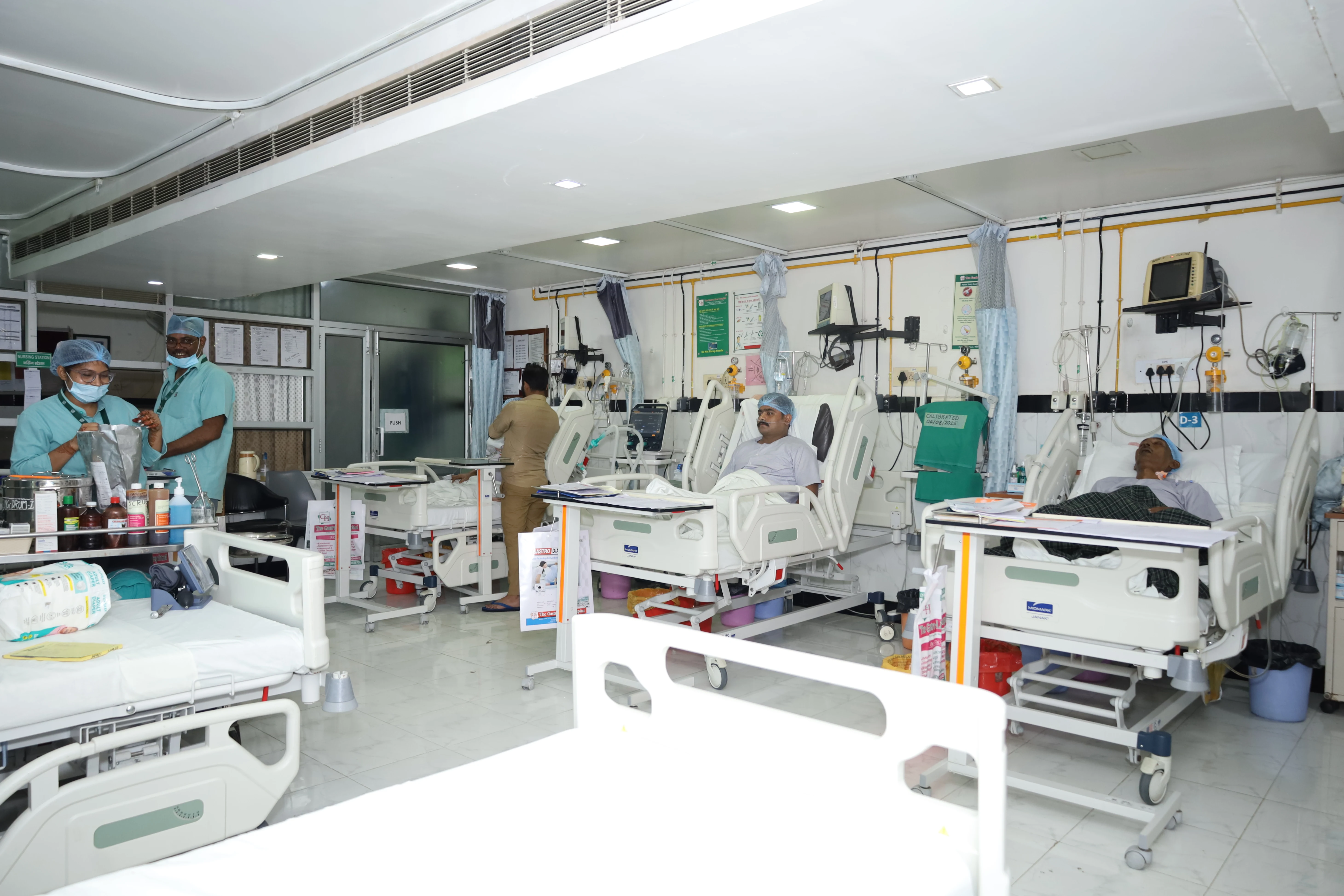
From your first consultation to complete recovery, our dedicated care team supports you at every stage of your treatment journey.
Schedule your visit easily via phone call or online booking. Our team ensures a quick and hassle-free appointment process for all patients.
Meet our experienced gastroenterology specialists who evaluate your symptoms and provide a detailed clinical assessment.
Advanced investigations such as endoscopy, blood tests, and imaging are performed to ensure accurate diagnosis.
Personalized treatment plans are provided along with regular follow-ups to ensure complete recovery and long-term health.
Laparoscopic surgery involves small keyhole incisions (0.5 to 1 cm) instead of large abdominal cuts. This leads to significantly less post-operative pain, minimal blood loss, lower risk of wound infection, virtually invisible scars, shorter hospital stays (often 24 to 48 hours), and a quick return to work.
Most patients can walk comfortably on the same day or within 6 to 12 hours after surgery. Normal diet is resumed the same or next morning, and patients are typically discharged within 24 to 48 hours, resuming light work within 5 to 7 days.
The vast majority of abdominal surgeries—including gallbladder removal, hernia repairs, appendectomy, reflux surgery, and colon resections—can be performed laparoscopically. Our surgeons evaluate each patient's anatomy, surgical history, and medical condition to recommend the safest technique.
Yes. In fact, minimally invasive surgery is often safer and more advantageous for elderly patients because it avoids large traumatic incisions, decreases cardiovascular and respiratory stress, reduces immobility risks (like blood clots and pneumonia), and facilitates rapid mobilization.
Laparoscopic abdominal surgeries are performed under general anesthesia. You are completely asleep and feel no pain throughout the procedure, closely monitored by our dedicated consultant anesthesiologists.
Fill the form and our team will contact you shortly.