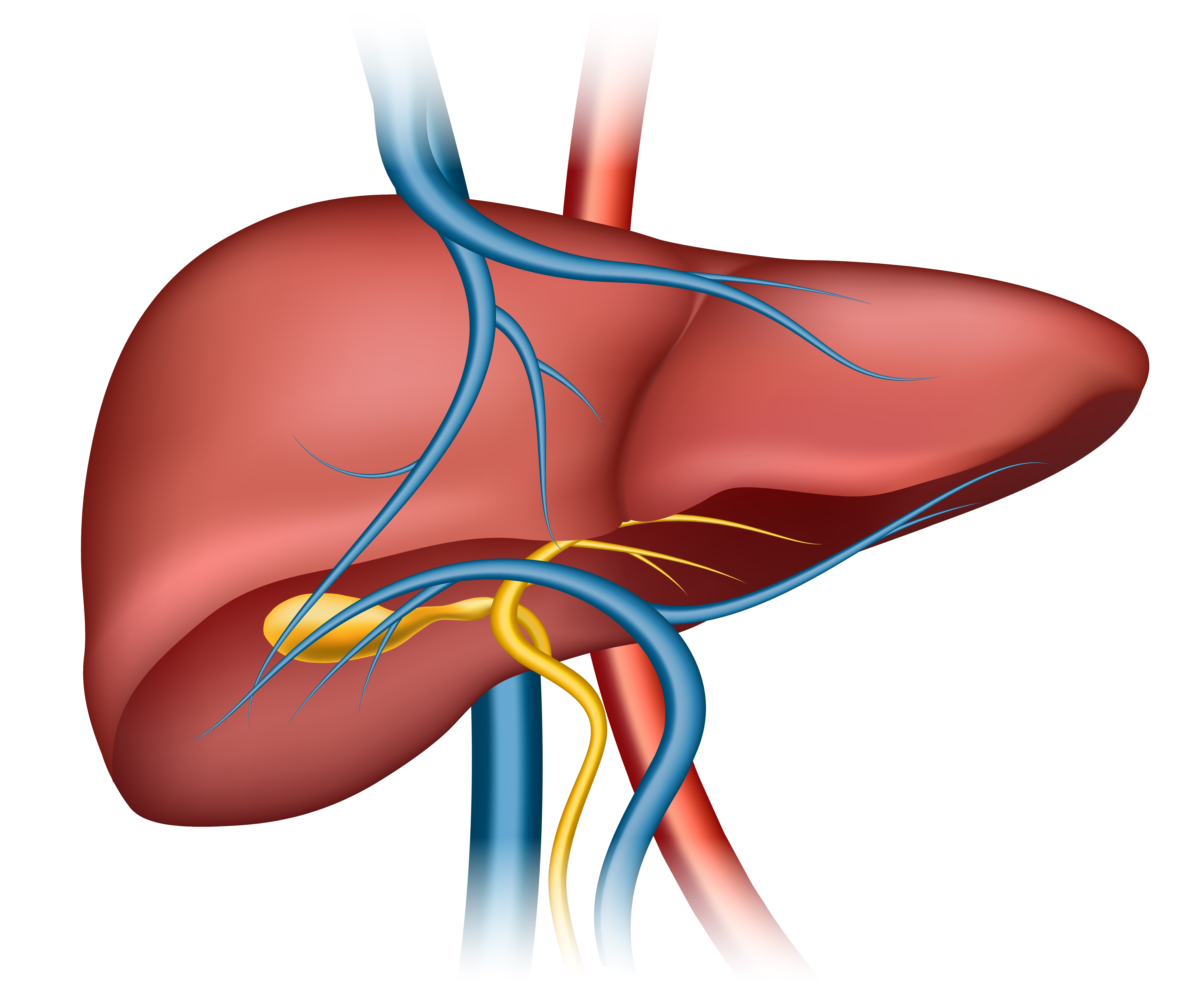
The liver performs several essential functions that help keep the body healthy. It plays an important role in metabolism, digestion, processing nutrients, and removing harmful substances from the body. Maintaining good liver health is therefore an important part of overall well-being.
Liver health can be affected by several lifestyle and medical factors. Being overweight, having diabetes or high cholesterol, following an unhealthy diet, consuming excessive alcohol, and leading an inactive lifestyle may increase the risk of certain liver conditions.
Some liver diseases may develop gradually without causing noticeable symptoms in their early stages. This makes awareness and timely medical evaluation particularly important.
A few healthy lifestyle habits can help protect your liver:
Maintain a healthy body weight
Eat a balanced diet rich in vegetables, fruits, whole grains, and other nutritious foods
Limit highly processed, oily, and sugary foods
Stay physically active and exercise regularly
Avoid excessive alcohol consumption
Do not take medicines or supplements unnecessarily without medical advice
Keep conditions such as diabetes and high cholesterol under control
Follow your doctor's advice regarding liver health screening when required
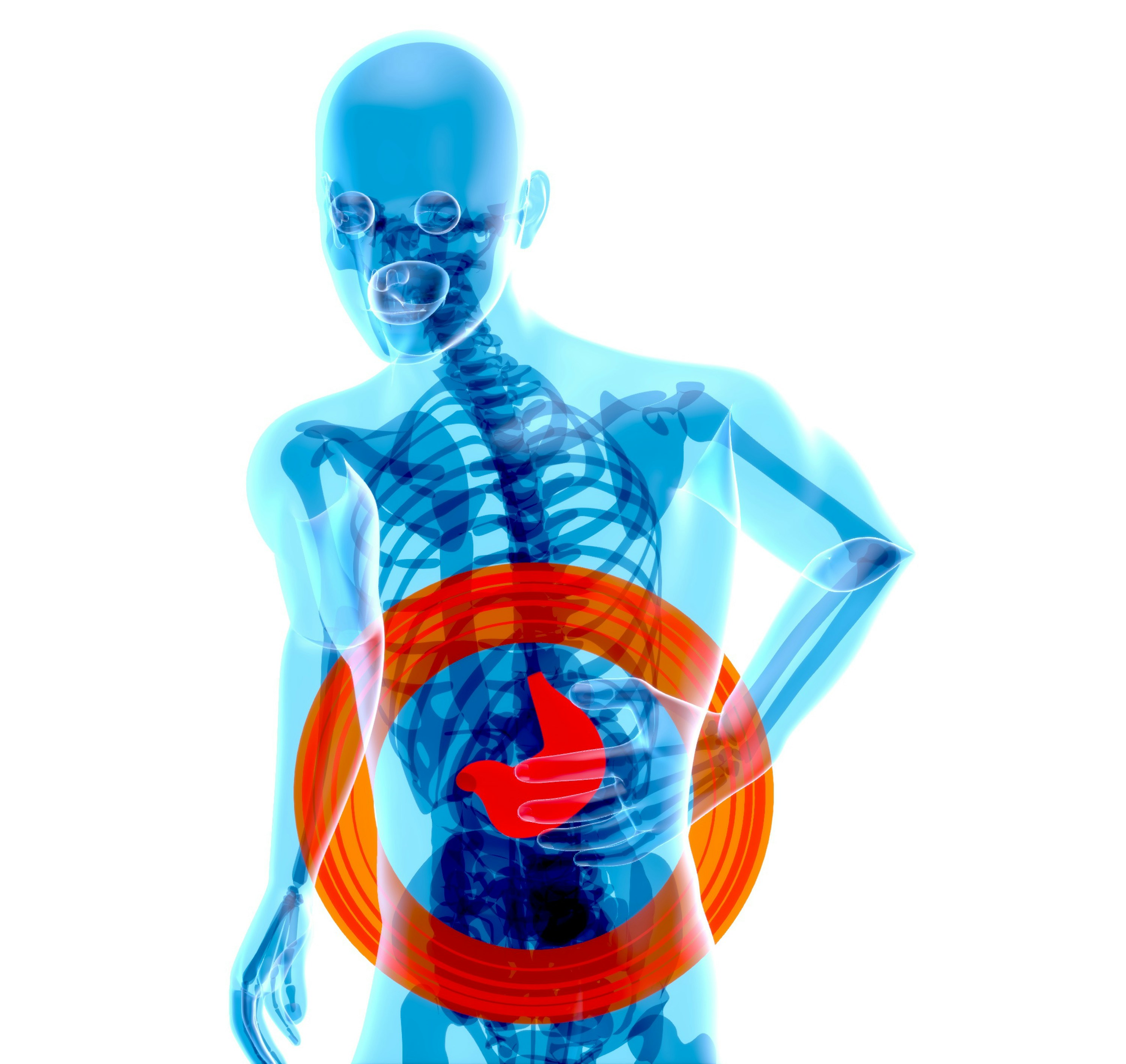
Some liver conditions may cause symptoms such as persistent tiredness, loss of appetite, nausea, abdominal discomfort, yellowing of the skin or eyes, dark urine, or swelling of the abdomen or legs.
These symptoms can have several possible causes and should not be used for self-diagnosis. If symptoms persist or you have risk factors for liver disease, consult a qualified gastroenterology or hepatology specialist.
Early evaluation can help identify liver-related problems and associated risk factors at an appropriate stage. Depending on your symptoms and medical history, a doctor may recommend blood tests, imaging, or other investigations.
Taking care of your liver through healthy lifestyle choices and seeking professional medical advice when needed can contribute to better long-term health.