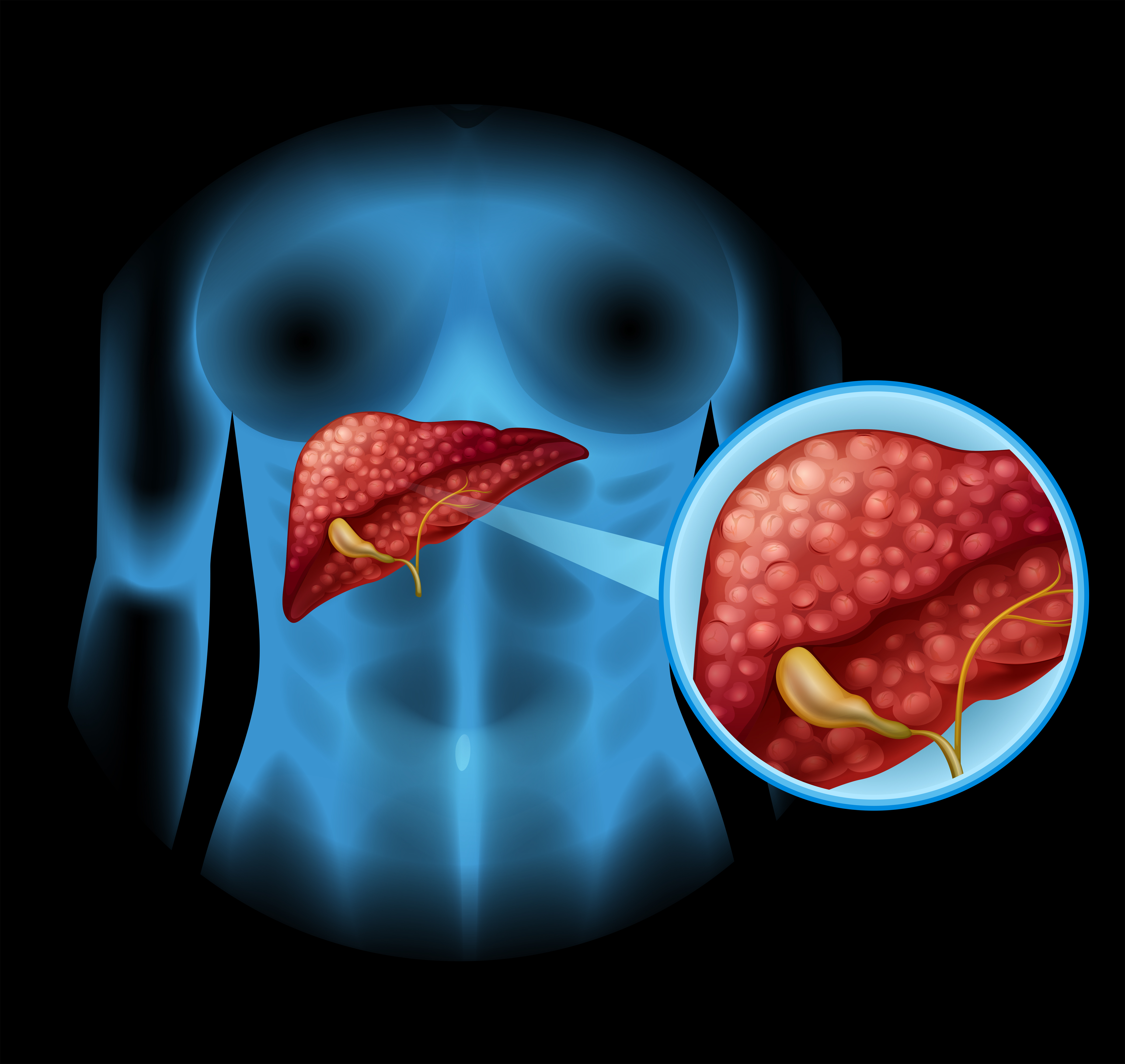
Fatty liver disease occurs when excess fat accumulates in the liver. It is becoming increasingly common and can be associated with factors such as obesity, diabetes, high cholesterol, unhealthy eating habits, and lack of physical activity. In many cases, fatty liver may develop without obvious symptoms, making regular health evaluation important.
Several factors can contribute to the development of fatty liver, including:
Being overweight or obese
Diabetes and insulin resistance
High cholesterol or triglyceride levels
Unhealthy eating habits
Lack of regular physical activity
Certain medications and medical conditions
Excessive alcohol consumption
Many people with fatty liver may not experience noticeable symptoms in the early stages. When symptoms do occur, they may include tiredness, discomfort in the upper right side of the abdomen, weakness, or a general feeling of being unwell.
Persistent or unexplained symptoms should be evaluated by a qualified healthcare professional.
Maintaining a healthy lifestyle is an important part of liver care. Regular physical activity, a balanced diet, maintaining a healthy weight, managing blood sugar and cholesterol levels, and avoiding excessive alcohol consumption can help support liver health.
Fatty liver can range from a simple accumulation of fat to more serious liver inflammation and damage in some individuals. Early evaluation can help identify risk factors and guide appropriate management.
If you have persistent digestive or liver-related symptoms or risk factors for liver disease, consult a gastroenterology or hepatology specialist for proper evaluation and personalized medical advice.